

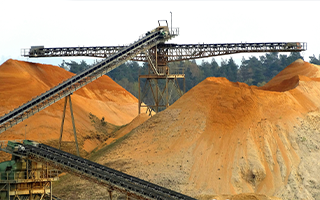


Complete Guide to Preventive Conveyor Belt Maintenance
Learn how preventive conveyor belt maintenance reduces downtime, extends equipment life, improves safety, and lowers operating costs.
Complete Guide to Preventive Conveyor Belt Maintenance
Across industries such as mining, quarrying, cement, recycling, ports, agriculture and bulk handling, conveyor belts are critical to daily operations. When a conveyor system fails, production can stop within minutes, resulting in costly downtime and unexpected repair expenses.
Preventive maintenance is designed to identify and address potential issues before they become major failures. Through regular inspections and scheduled servicing, companies can improve equipment reliability, extend conveyor life and reduce operating costs.
Why Implement Preventive Conveyor Maintenance?
A well-planned preventive maintenance program helps you:
- Reduce unplanned downtime
- Extend conveyor belt lifespan
- Improve operator safety
- Lower maintenance and repair costs
- Maintain consistent conveyor performance
Preventing failures is almost always less expensive than repairing them.
Key Components to Inspect
Conveyor Belt
The conveyor belt is the heart of the system and should be inspected regularly for:
- Cuts and tears
- Excessive wear
- Signs of belt failure
- Damaged belt splices
- Edge wear
Early repairs often prevent complete belt replacement.
Discover our SUPER-SCREW® mechanical belt splicing solution for damaged conveyor belts.
Belt Splices
Whether mechanical or vulcanized, belt splices require close attention.
Inspect for:
- Secure fastening
- Excessive movement
- Wear on fasteners or splice components
- Proper alignment
A damaged splice is one of the most common causes of conveyor breakdowns.
Discover our mechanical belt fasteners for both heavy-duty and light-duty conveyor belts.
Conveyor Rollers
Damaged or seized rollers place unnecessary stress on the conveyor belt.
Regularly check:
- Free rotation
- Bearing condition
- Unusual noise
- Alignment
Replacing worn rollers early helps prevent costly belt damage.
Pulleys
Drive and tail pulleys should be inspected for:
- Lagging wear
- Grip performance
- Corrosion
- Proper balance
Healthy pulleys improve conveyor efficiency and belt tracking.
Belt Cleaners
Poorly adjusted belt cleaners leave material carryback on the belt.
This can result in:
- Increased belt wear
- Belt misalignment
- Material spillage
- Additional cleaning requirements
Discover our latest-generation belt cleaner solutions.
Warning Signs You Should Never Ignore
The following symptoms often indicate an upcoming failure:
- Conveyor belt misalignment
- Unusual noises
- Excessive vibration
- Material carryback
- Hot rollers
- Belt slippage
- Rapid splice deterioration
The earlier these problems are detected, the easier and less expensive they are to correct.
How Often Should a Conveyor Be Inspected?
Inspection frequency depends on the operating environment and production intensity.
As a general guideline:
Daily:
- Visual inspection
- Cleaning
- Safety device checks
Weekly:
- Roller inspection
- Belt cleaner inspection
- Belt tension verification
- Belt tracking check
Monthly:
- Detailed inspection of belt splices
- Pulley inspection
- Conveyor structure inspection
- Mechanical component checks
Annually:
- Complete conveyor audit
- Replacement of heavily worn components
Conveyor Maintenance Best Practices
Simple maintenance habits significantly improve conveyor reliability:
- Keep conveyors clean
- Replace worn components promptly
- Use components suited to your application
- Train operators to perform basic inspections
- Record every maintenance intervention
A structured maintenance history helps anticipate future servicing needs.
Why Choose the Right Maintenance Solutions?
Modern mechanical belt splicing systems, conveyor repair solutions and conveyor accessories allow maintenance teams to reduce downtime while simplifying on-site repairs.
Selecting the right products for your conveyor belt type, conveyed material and operating conditions directly improves equipment availability and long-term performance.
Conclusion
Preventive maintenance should not be viewed as an expense but as a long-term investment.
Routine inspections, scheduled maintenance and reliable conveyor components help maximize conveyor availability, reduce operating costs and improve workplace safety.
By combining preventive maintenance with high-quality conveyor solutions, companies can significantly extend the lifespan and performance of their conveyor systems.
Frequently Asked Questions
What is the difference between preventive and corrective maintenance?
Preventive maintenance consists of scheduled inspections and servicing to prevent failures. Corrective maintenance takes place after a breakdown has already occurred.
What are the first signs of conveyor belt wear?
Common indicators include cuts, tears, edge wear, cracks, belt misalignment and damaged belt splices.
How often should a conveyor system be inspected?
A daily visual inspection is recommended, complemented by weekly and monthly maintenance checks and a comprehensive annual conveyor audit.
How can conveyor downtime be reduced?
Implementing preventive maintenance, using high-quality conveyor components and repairing minor damage before it worsens are the most effective ways to minimize downtime.